Programs and Therapies

APC House uses a whole-child, trauma-informed approach to support emotional stabilization, healthy behavior development, and long-term growth. Our programs combine therapeutic services, structured routines, academic support, and life skills development to meet each youth’s individualized needs.

APC House Programs
Emotional Stabilization

Emotional Stabilization & Therapeutic Supports

We prioritize stabilizing each child’s emotional needs from the moment they arrive. Through compassionate care, therapy, and individualized support, we address immediate emotional and behavioral concerns while fostering safety, trust, and readiness for growth.

Clinic & Therapeutic Supports
  • Individual Therapy (Cognitive Behavioral Therapy)

  • Trauma-Focused Cognitive Behavioral Therapy (TF-CBT)

  • Group Therapy

  • Play Therapy

  • Family Therapy (when appropriate)

  • Mindfulness-Based Therapy

Youth receive therapeutic services tailored to their developmental, emotional, and behavioral needs.

Life Skills & Development

Life Skills & Development

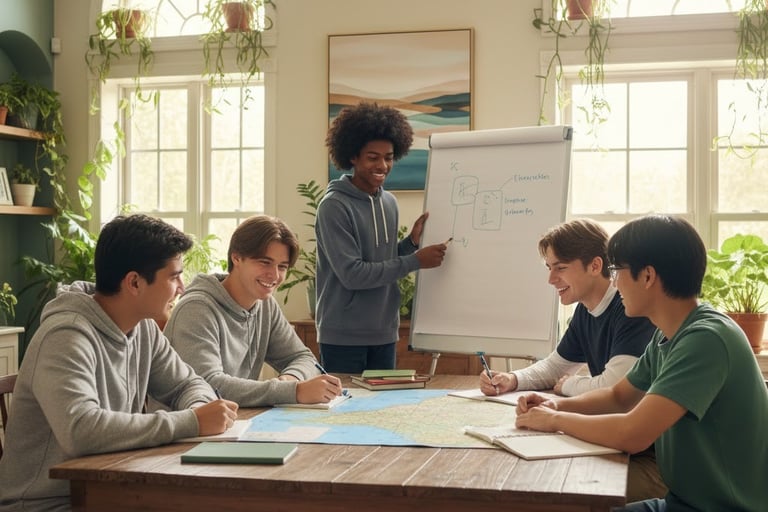
Life skills training at APC House is provided through collaboration with therapeutic specialists and mentoring support. Youth build practical skills in decision-making, responsibility, communication, and daily living to support independence and long-term success.

Education & Academic Support

Youth attend their local school districts to maintain academic continuity while receiving additional on-site tutoring and educational support at APC House. We work to keep students engaged, supported, and progressing toward their academic goals.

Independent Living Preparation

As youth approach transition, we focus on preparing them for greater independence through practical life planning, responsibility-building, and future readiness. Our goal is to help youth step forward with confidence, purpose, and self-sufficiency.

Family Engagement & Reunification Support

When family reunification is part of a youth’s service plan, APC House supports healthy family engagement through communication, coordination, and planning. All efforts are guided by the youth’s best interest, safety, and long-term stability.

Recreation & Community Engagement

Youth participate in school-based extracurricular activities and community outings that promote social development and life experience. Recreational opportunities may include sports, clubs, mentoring programs, YMCA activities, cultural outings, and supervised life-skills experiences such as dining and community events.